
Success of the 5th Farm’Innov Connection Equipment & Finance event in Kenya!
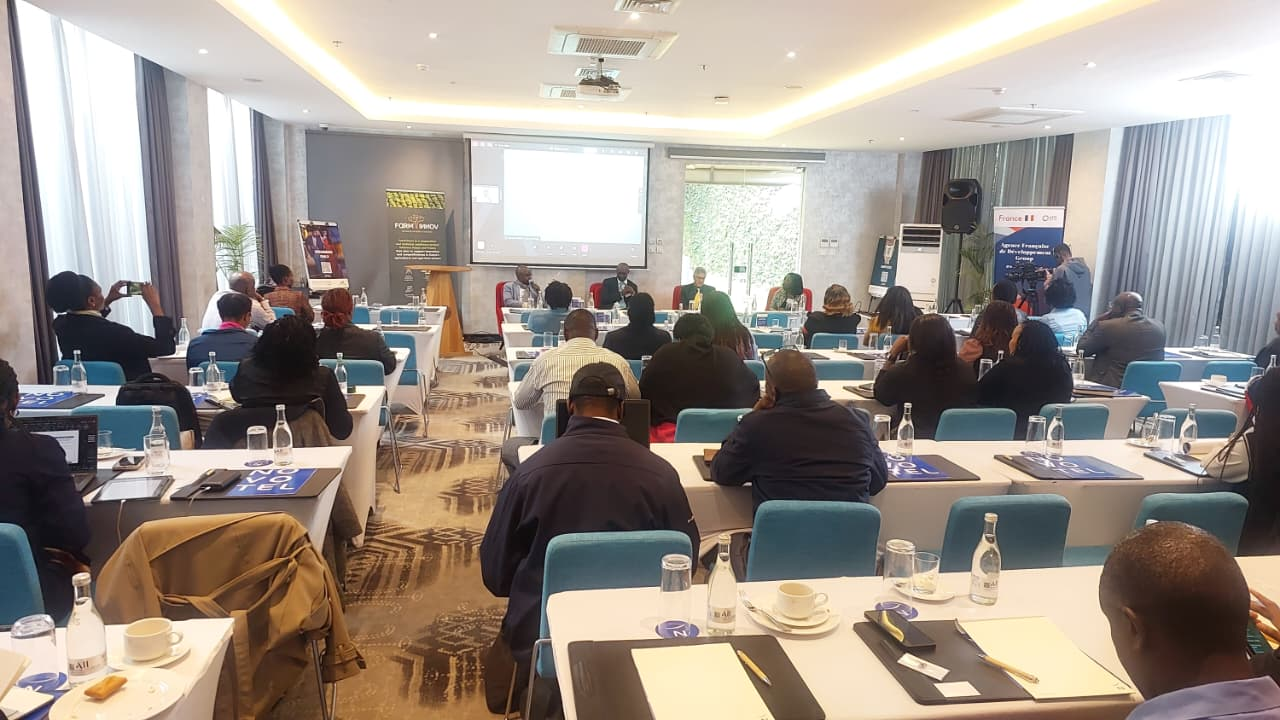
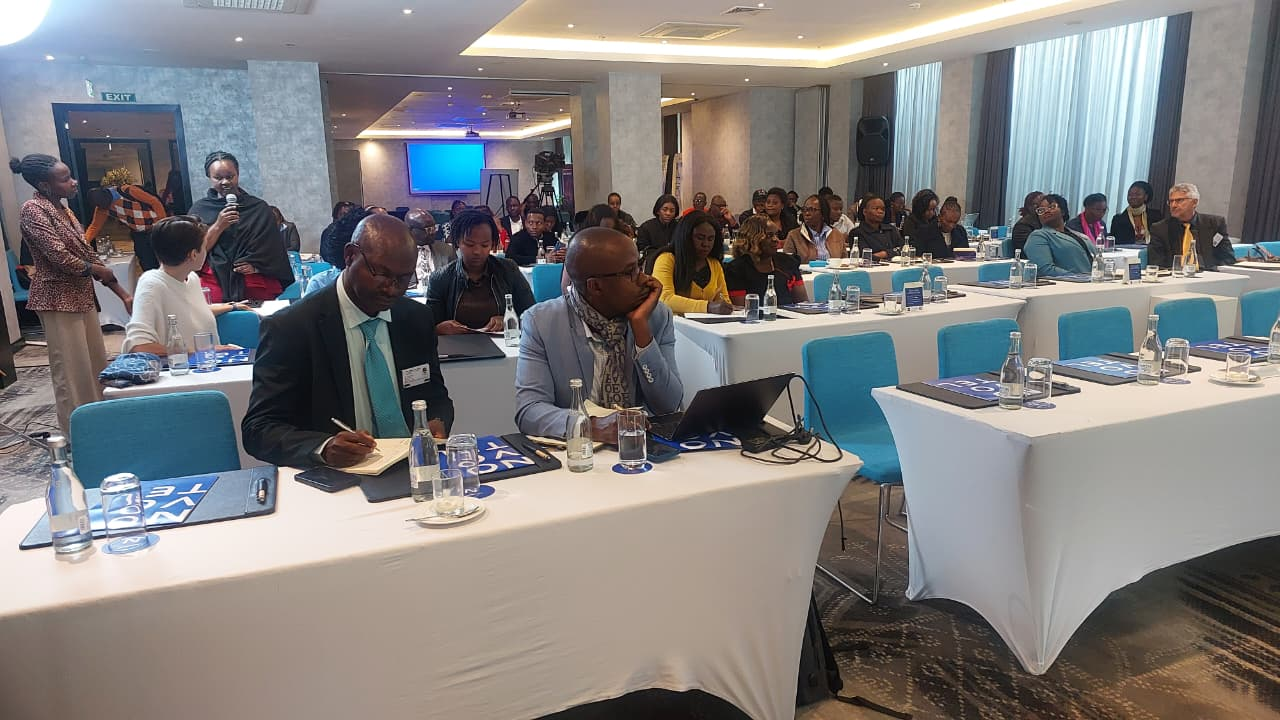
The 5th Farm’Innov Connection event (“How can Kenyan agri-food businesses acquire equipment & invest in equipment effectively? – 18 June 2026, Nairobi / Kenya) brought together SMEs, equipment suppliers, financiers and public institutions for a very engaged and focused discussion on how Kenyan agri food businesses can invest in the “right” machinery and actually finance it. A total of 88 participants attended, with strong timekeeping and high participation throughout the plenary, breakouts and B2B sessions.
Key messages on machinery, SME performance and business models
– Many SMEs confirmed a need for customised machinery that can serve multiple purposes, rather than single use “dream machines” that are difficult to pay back.
– Several participants were positively surprised by how well some SMEs are already performing – producing significant volumes and even exporting – which reinforced the message that there are real, investable businesses in this segment.
– Leasing, shared use models and collaboration between SMEs emerged as credible solutions where outright purchase is not realistic; a number of participants admitted they had previously considered such models “impossible” mainly because of mindset and lack of exposure to real examples.
– Equipment providers underlined that many people do not know who the serious, quality equipment suppliers are, which creates space for poor quality offers and under investment; the event helped to make these actors more visible.
Finance, collateral, derisking and product development
– Across the day, a clear gap emerged on access to finance, not only in terms of capital but in SMEs’ understanding of procedures, documentation and what financiers actually need to see. A recurring reflection was that “there is money – SMEs just don’t know how to go for it.”
– AFC’s participation was particularly important: they acknowledged both the public and political perceptions around the institution, but emphasised that they are ready to respond to the market and develop more customer oriented products. They left the event excited by the engagement, describing it as a focused opportunity to get feedback, demystify AFC, and connect with at least one concrete potential client.
– The discussions raised the question of a post programme derisking facility: how different programmes and partners (including AFD, AFC and commercial banks such as I&M, which expressed interest in joining) could jointly reduce risk for equipment investments rather than each initiative working in isolation.
– Participants welcomed the chance to see that bankable business plans do exist, and to understand better the tools and products offered by different financiers and support programmes, rather than assuming all finance is out of reach.
– Collateral emerged as a specific constraint, particularly for livestock keepers and other asset light SMEs: livestock and other movable assets are still not widely accepted as collateral in Kenya, which limits financing options even where cash flows are strong.
Financial literacy, preparedness and inclusivity
– AFC diagnostic tool and the interactive assessment were widely appreciated; many SMEs said it helped them finally understand why they had not been able to access credit and what concrete gaps they need to address. It also surfaced that, in some cases, what businesses were pursuing was not what they actually needed, especially regarding equipment scale and timing.
– Financial literacy emerged as a major gap. The sessions showed that financial preparedness – record keeping, realistic projections, governance – is as important as access to products.
– Participants highlighted the need for institutions to stay alive to what is happening in the market, particularly for youth and women, and to design inclusive products that avoid reinforcing dependence on “free things” (for example, the ENABLE Youth 0 interest schemes) without building long term financial behaviour.
Roles of ecosystem actors
– The discussions reinforced the specific mandates of actors such as ASK and KENAFF and the need to assess their impact against these mandates. One concrete suggestion was to share a short brief with KENAFF on the gap between suppliers and clients, and explore how farmer organisations can help bridge this.
– The involvement of the French team through CCFK and Business France helped centre the discussions and clarify what follow up and future cooperation might look like, giving the Franco Kenyan partnership real content rather than remaining symbolic.
B2B sessions and next steps
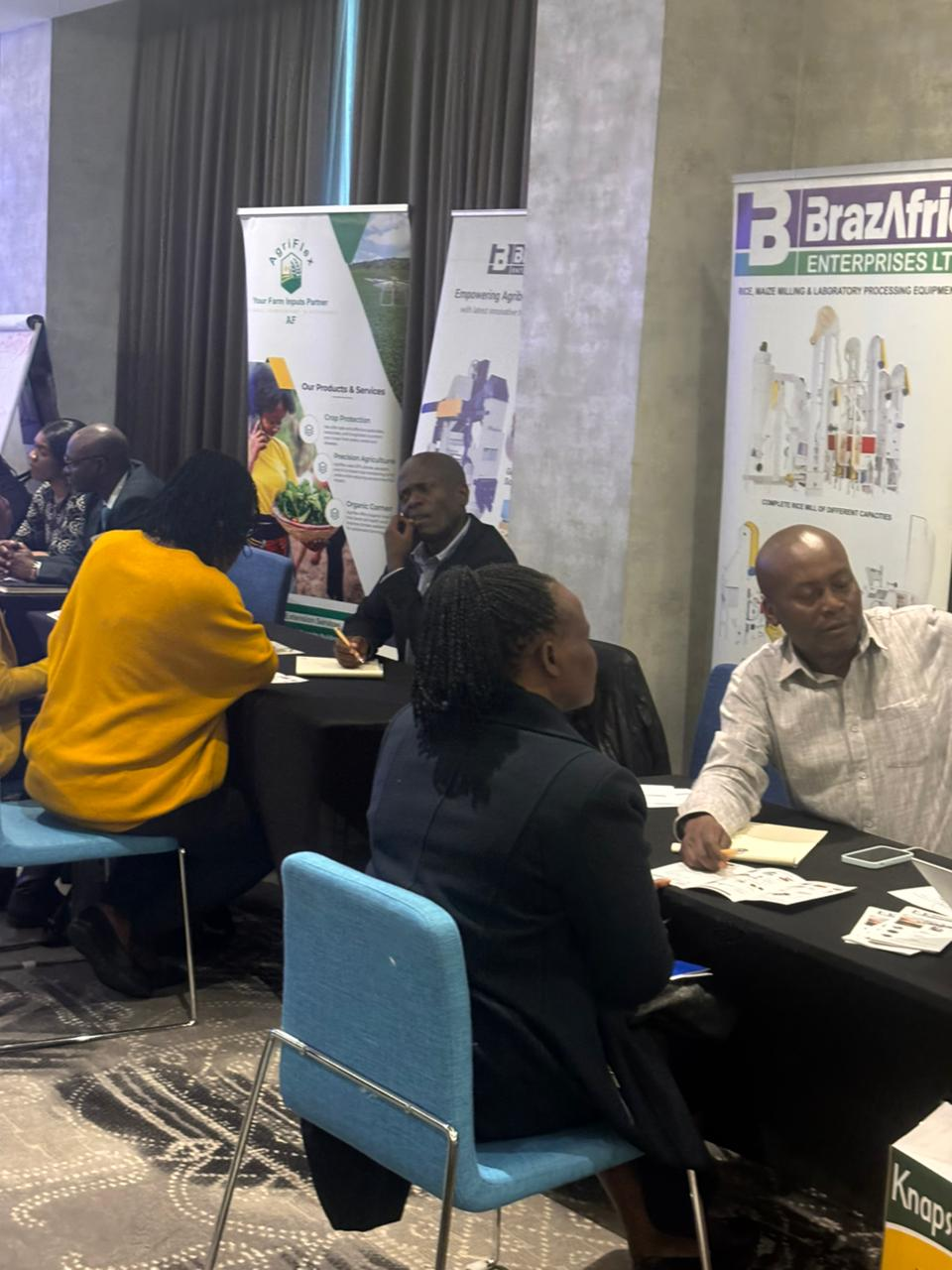
– The afternoon B2B meetings were particularly appreciated. They allowed for targeted, one to one conversations between SMEs, AFC, equipment suppliers and technical advisers. AFC noted that they may see 3–5 SMEs** from the day moving forward to actually patronise their products.
– The event underlined the importance of early registration and controlled access; one unregistered individual claiming to be from Kenya Prisons was identified and discreetly escorted out by security, which helped maintain a safe space for genuine participants.
– Overall, the day confirmed that cooperation across financiers, suppliers, public institutions and support programmes can produce better solutions than isolated efforts. The next step is to translate the diagnostic “litmus test”, the B2B connections and the financing discussions into a small number of concrete, co designed products and a clearer derisking pathway for agri food equipment investment — ensuring that SMEs not only know that finance and quality equipment are available, but also how to reach them.
Contacts
Blandine Fortin | Farm’Innov project Manager
blandine.fortin@pole-valorial.fr | +33 (0)7 85 34 38 42
Ruth Oriama
oryjong.c@gmail.com